Source Euro 5 Snow Removal Truck for Plowing, Grading, and Cleaning
Compare 30 new diesel-powered snow removal solutions, including Sinotruk and Foton models. Evaluate specifications like EURO 5 emission standards, manual transmission, and various bucket types for efficient winter maintenance operations; compare the available evidence and request quotations based on your requirements.
Key considerations
Products List
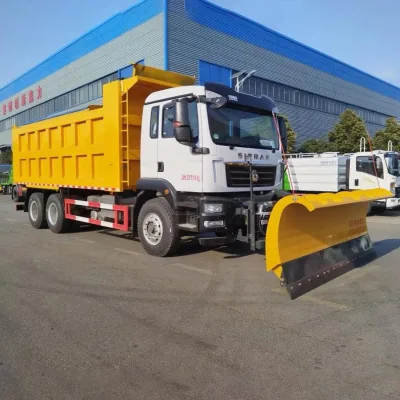
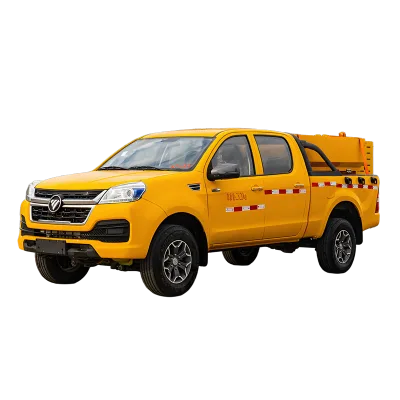


Multi-Purpose Snow Removal Truck with Snow Plow, Spreader and Sweeping Functions
$20000.00 - $50000.00
Moq: 1

Multi-Function Snow Removal Truck for Snow Plowing, Salt Spreading and Ice Control
$20000.00 - $50000.00
Moq: 1


6×4 Heavy-Duty Multifunctional Municipal Snow Removal and Road Maintenance Truck
$20000.00 - $50000.00
Moq: 1
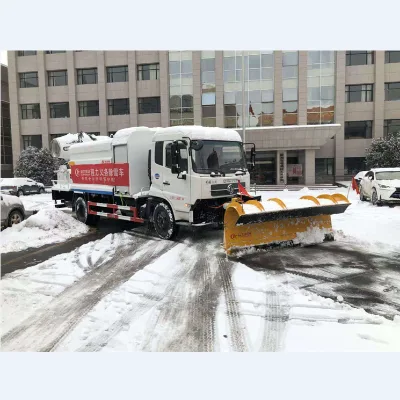


Comprehensive Sourcing Guide
Euro 5 Snow Removal Truck Sourcing Guide
Procurement of Euro 5 snow removal trucks requires careful alignment between emission standards and operational requirements, as observed listings indicate a mix of heavy-duty and compact units. Buyers must distinguish between large-scale vehicles with a gross vehicle weight of 25,000 kg and smaller units weighing 2,820 kg, ensuring the selected model matches the specific clearing volume needed. The presence of Diesel fuel types across the market confirms that these machines rely on internal combustion engines, necessitating a review of local fuel availability and storage regulations before finalizing orders.
The observed product range includes specialized configurations such as manual transmission systems and varying dimensions, ranging from compact 5995mm lengths to larger 9400mm units. Sourcing decisions should prioritize the specific application, whether for grading and moving snow or general cleaning tasks, as the equipment features distinct attributes like single brush sweep modes or front discharge mechanisms. Understanding these operational differences is critical for selecting a vehicle that integrates seamlessly with existing municipal or private fleet maintenance schedules.
Product Scope and Observed Listing Signals
Market listings reveal a diverse spectrum of snow removal equipment, including dedicated snow plows and integrated loader systems with varying bucket sizes. Buyers should note that while some units are designed for heavy-duty tasks with a payload capacity of 20 tons, others are lighter, weighing between 50kg and 280kg, suitable for skid steer tractors or hand-push operations. This variance in size and weight directly impacts the vehicle's suitability for different terrains, from wide highways to narrow residential streets, requiring a precise match between the machine's physical footprint and the target environment.
Listing signals also highlight significant differences in automation and control systems, with options ranging from fully automatic operations to those requiring artificial or hand-push control. The availability of customization and OEM support suggests that buyers can tailor specific features, such as cutting edge segments or linkage types, to meet unique operational demands. However, the absence of remote control on certain models indicates that manual intervention remains a primary requirement for many units, influencing the training needs and safety protocols for the operating crew.
Technical Specifications to Verify
Technical verification must begin with dimensional analysis, as observed listings show dimensions varying significantly from 4230mm to 9400mm in length. Buyers should confirm the exact length, width, and height specifications against their storage facilities and bridge clearance limits, ensuring the vehicle can navigate the intended routes without obstruction. The material composition, typically Q235 or Q345 steel, is a critical factor for durability, and verifying the specific grade ensures the equipment can withstand the abrasive conditions of snow and ice removal without premature structural failure.
Further technical due diligence involves examining the emission standards and fuel efficiency, as the market data confirms Euro 5 compliance for many units. Buyers must verify that the engine specifications align with local environmental regulations, particularly regarding diesel fuel usage and exhaust output. Additionally, checking the linkage systems, such as mounting plates or three-point linkages, is essential to ensure compatibility with the tractor or truck chassis, preventing mechanical failures during high-stress snow clearing operations.
Compliance and Safety Documentation
Compliance verification is paramount when sourcing Euro 5 vehicles, as the market data explicitly lists CE certification and ISOCCC standards for certain models. Buyers must request valid certification documents to confirm that the equipment meets international safety and environmental benchmarks, ensuring legal operation in target markets. The presence of these certifications indicates a baseline level of quality control, but it is crucial to validate that the specific batch of equipment being purchased carries the same documentation to avoid regulatory penalties or import restrictions.
Safety documentation should also cover the operational protocols and maintenance requirements outlined by the manufacturer. While some listings mention onsite installation and video technical support, buyers must ensure these services are contractually binding and clearly defined in the purchase agreement. Understanding the specific safety features, such as the type of bucket or the discharge mechanism, helps in developing comprehensive safety manuals for operators, reducing the risk of accidents during the high-intensity work of snow removal.
Cost Drivers and Commercial Terms
Cost structures for snow removal trucks are heavily influenced by the gross vehicle weight and the complexity of the emission control systems. Heavier units with a gross vehicle weight of 25,000 kg typically command higher prices due to the increased material costs and engineering required for robust chassis and engine performance. Buyers should analyze the price range observed in the market, which spans from 110 USD to 238,500 USD, to understand the correlation between vehicle capacity, features, and overall cost, ensuring the budget aligns with the required performance level.
Commercial terms regarding minimum order quantities and lead times are equally critical, as observed MOQs range from 1 to 100 units. Buyers must negotiate clear delivery schedules and payment terms, considering the annual capacity of suppliers, which can reach 50,000 pieces per year. Understanding these production capabilities helps in planning procurement cycles, especially for large municipal contracts, ensuring that the supplier can meet demand without significant delays that could impact winter readiness.
Supplier Qualification and Quality Control
Supplier qualification should focus on the manufacturer's location and production capacity, with observed origins in Hubei and Shandong, China. Buyers must verify the supplier's ability to maintain consistent quality across large production runs, given the high annual capacity figures reported in the market. Checking the supplier's track record for providing after-sales services, such as onsite installation and video technical support, is essential to ensure long-term operational reliability and rapid response to any mechanical issues that may arise during the snow season.
Quality control processes, including acid cleaning and pickling, are vital for ensuring the longevity of the steel components used in snow plows. Buyers should request detailed quality assurance reports that confirm the adherence to standards like 6mm, 8mm, or 10mm material thickness specifications. Additionally, verifying the packaging methods, such as steel pallets or poly wood cases, ensures that the equipment arrives in pristine condition, minimizing the risk of damage during transit and reducing the need for costly repairs before deployment.
Long-Term Procurement Checks
Long-term procurement strategies must account for the availability of spare parts and the durability of the equipment under continuous use. Buyers should assess the supplier's commitment to providing replacement parts for critical components like cutting edge segments and linkage systems, ensuring minimal downtime during peak snow events. The customization options available, such as specific colors or bucket sizes, should be evaluated for their impact on future maintenance and the ability to standardize the fleet for easier parts management.
Finally, buyers must establish a framework for ongoing performance monitoring and feedback loops with the supplier. Regular reviews of the equipment's condition, based on the observed weight ranges and material specifications, will help identify any recurring issues or areas for improvement. By maintaining a proactive approach to supplier relationships and equipment maintenance, organizations can ensure their snow removal fleets remain efficient and compliant with evolving environmental and safety standards for years to come.
FAQs
What does EURO 5 emission compliance mean for a snow removal truck?
It means the truck's diesel engine meets the EURO 5 exhaust emission standard, which limits nitrogen oxides and particulate matter from heavy-duty diesel engines. Buyers in regions that enforce EURO 5 should verify the emission standard on each listing before ordering, since snow removal trucks in this category may differ in engine configuration and applicable regional rules.
Which snow removal truck brands appear in this product category?
The listed snow removal trucks and related equipment include Sinotruk and Foton as brand names, with origins recorded in Hubei and Shandong, China. Brand availability varies by listing, so buyers should confirm the specific brand, chassis configuration, and gross vehicle weight such as 25000 kg or 2820 kg directly with the supplier before placing an order.
How much does a euro 5 snow removal truck typically cost?
Listed prices in this category span roughly 110 to 238500 US dollars, reflecting everything from attachment components to complete heavy trucks. Final pricing depends on chassis size, plow configuration, customization, and order quantity. Request a formal quotation based on your required gross vehicle weight, dimensions, and options rather than relying on listed figures.
Can snow plow equipment be customized for my vehicle or region?
Yes, customization is listed as available, and several products support OEM orders with colors selectable in silver, bronze, black, gold, or as requested. Plows use Q235 or Q345 steel with cutting edge segments of 1 or 3, and linkage options include a mounting plate and three-point linkage. Confirm the exact customization scope and any added cost with the supplier.
What after-sales support is offered for snow removal trucks?
Listed after-sales services include onsite installation and video technical support for products such as pavement snow plows. Support terms can differ between suppliers and product types, so buyers should confirm in writing whether installation assistance, remote guidance, or spare parts support is included, and whether onsite service is available in their destination market.
How are snow plows packaged and what are the ordering requirements?
Products are packed on steel pallets, pallets, or poly wood cases, with an example package size of 130 by 150 by 110 centimeters and a gross package weight of 225 kilograms. Minimum order quantities in the category range from 1 to 100 pieces depending on the product. Some suppliers list annual capacity of 50000 pieces, which can support larger repeat orders.